What is impacting Girls’ Education in Uganda.

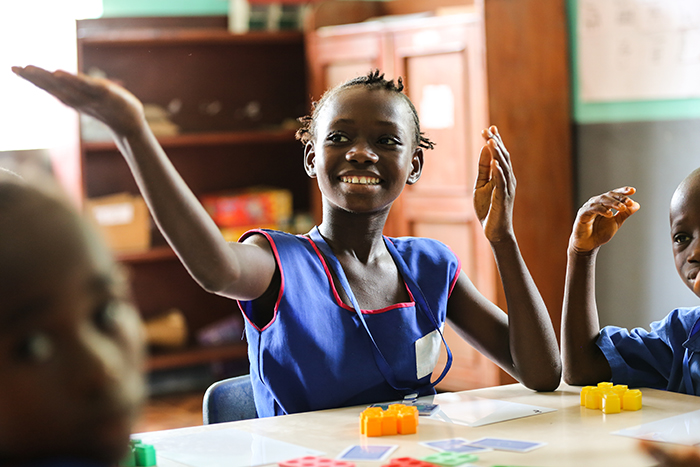
Education is a fundamental right for every child, but unfortunately, this is not the case for many children in Uganda, especially those from disadvantaged communities. Many children in Uganda face numerous challenges that hinder their access to education. These challenges include poverty, lack of infrastructure, lack of resources, and cultural beliefs that prioritize boys’ education over girls. However, there are ways in which we can improve access to education for disadvantaged communities in Uganda.
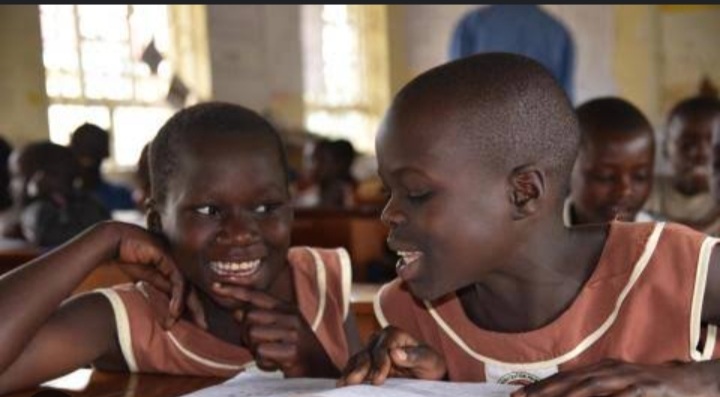
One of the ways we can improve access to education in Uganda is by addressing poverty. Poverty is one of the biggest barriers to education in Uganda, and it affects children from disadvantaged communities the most. Poverty prevents parents from affording school fees, uniforms, and other school supplies. To address this issue, the government and non-governmental organizations should provide financial support to families living in poverty. This can be done through scholarships, bursaries, and other forms of financial assistance.

Another way to improve access to education in Uganda is by building and improving infrastructure. Many children from disadvantaged communities in Uganda have to walk long distances to school, and some schools lack basic infrastructure such as classrooms, desks, and toilets. To address this issue, the government and non-governmental organizations should invest in building and improving schools in disadvantaged communities. This will make it easier for children to access education and provide them with a conducive learning environment.

In addition to infrastructure, providing resources such as textbooks, stationary, and other learning materials is also essential in improving access to education for disadvantaged communities in Uganda. Many schools in disadvantaged communities lack these resources, which affects the quality of education that children receive. The government and non-governmental organizations should provide schools with the necessary resources to ensure that children receive quality education.

Cultural beliefs that prioritize boys’ education over girls’ education are also a significant barrier to education in Uganda. Many parents in disadvantaged communities believe that educating boys is more important than educating girls. To address this issue, the government and non-governmental organizations should conduct awareness campaigns to educate parents on the importance of educating both boys and girls. This will help change cultural beliefs and ensure that all children, regardless of gender, have access to education.

Finally, providing vocational and technical training to children from disadvantaged communities can also improve access to education. Many children from disadvantaged communities drop out of school due to lack of interest or poor academic performance. Providing vocational and technical training can help these children acquire skills that will enable them to earn a living and contribute to their communities.

In conclusion, improving access to education for disadvantaged communities in Uganda is crucial in ensuring that every child has the opportunity to receive quality education. Addressing poverty, building and improving infrastructure, providing resources, changing cultural beliefs, and providing vocational and technical training are some of the ways in which we can improve access to education. The government and non-governmental organizations should work together to implement these solutions and ensure that every child in Uganda has access to education.
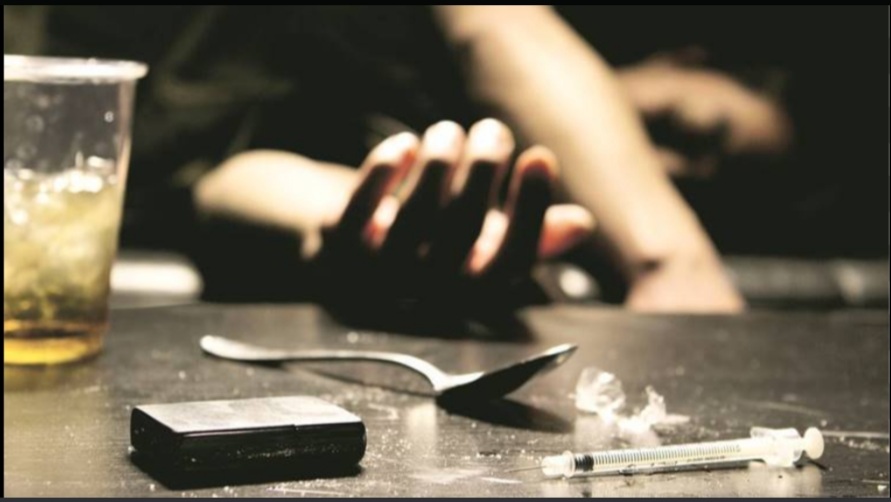
The Ripple Effect: How Drug and Alcohol Abuse Impacts Communities and Society as a Whole

Drug and alcohol abuse is an issue that affects not only the individuals who engage in these activities but also their families and society as a whole. Drug and alcohol abuse can lead to various social and health problems that can put a strain on the resources of a society. As such, it is necessary to understand how drug and alcohol use can affect society to curb the harmful consequences it brings.

One of the most significant impacts of drug and alcohol abuse on society is on its financial resources. Drug and alcohol addiction is an expensive habit, and when individuals engage in such activities, they drain their financial resources and might resort to illegal means to obtain drugs. This can lead to an increase in crime rates, which is not only expensive for the criminal justice system, but it also makes communities unsafe. Additionally, drug and alcohol addiction can lead to an increase in healthcare costs as individuals seek treatment for the physical and mental health problems that arise from drug and alcohol abuse.

Drug and alcohol abuse can also contribute to the breakdown of families, which can have lasting impacts on society. Individuals who engage in drug and alcohol use might neglect their responsibilities, including caring for their children, leading to an increase in child neglect cases. This can lead to children being placed in foster care, which is not only costly, but it can also have lasting impacts on the children’s psychological well-being. Additionally, drug and alcohol addiction can lead to domestic violence, which can harm both the victim and the perpetrator in a family.

Drug and alcohol abuse can contribute to an increase in homelessness rates. Individuals who engage in such activities might lose their jobs, relationships, and homes, leading to an increase in homelessness rates. Homelessness can put a strain on society because it requires additional resources to provide shelter and social services to people in need. Additionally, homelessness can lead to an increase in crime rates, as homeless individuals might resort to illegal means to obtain food and shelter.

Drug and alcohol abuse also has an impact on the environment. The production and manufacture of drugs can pollute the environment, leading to long-term environmental impacts. Additionally, individuals who engage in drug use might contribute to littering and other forms of environmental degradation. As such, drug and alcohol abuse not only harms individuals but also the environment in which they live.

In conclusion, drug and alcohol abuse have a significant impact on society, leading to various social and health problems that require interventions. These issues can be costly in terms of finance and resources and can have lasting impacts on families, communities, and the addict himself.

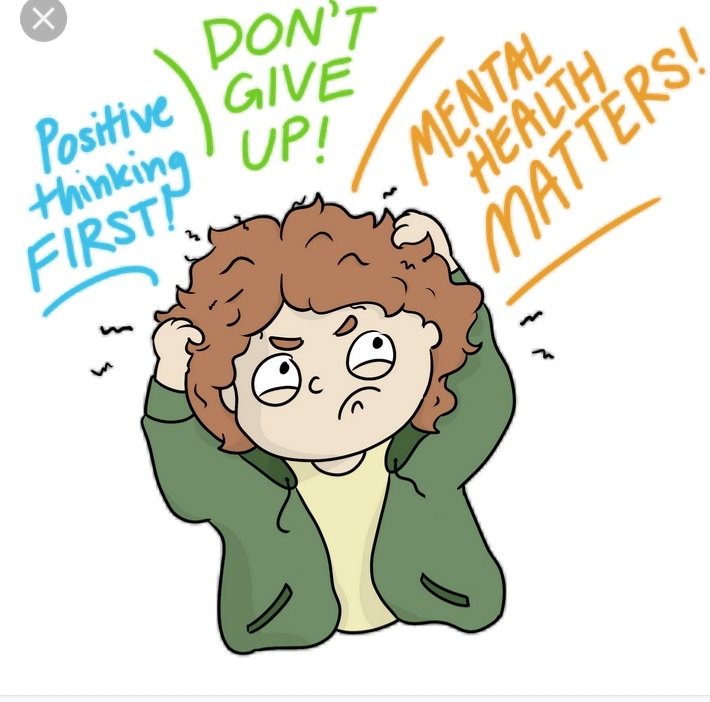
Looking after mental health can preserve a person’s ability to enjoy life. Doing this involves balancing life activities, responsibilities, and efforts to achieve psychological resilience.

#Yourmentalhealthmatters
#MentalHealthAwareness

Girl child education is one of the most vital concepts. Every girl in our society must have to be educated because education is the most influential and vital weapon that can be used to solve the difficulties of human lives.

#educateagirlchild
#educationispower

A HAPPY WOMAN FOR A BETTER WORLD

Everybody has a different definition of a woman. However,empower a woman to empower the next generation.


Today the 8th of March is International Womens Day.
Its a time to celebrate the achievements of women, whether social, political, economic or This year’s theme is “Embrace Equity”.Equality is the goal, and equity is the means to get there. Through the process of equity, we can reach equality.


International Womens Day is a day not only to acknowledge and honor women around the world for the contributions they make each day to society but also a day for women to recognise their rights, and for the wider community to acknowledge the work that must be done to protect women from sexual harassment and all kinds of violence and abuses in society.


With the communities am working with, i always encourage gender equality and particularly working with women and girls to feel empowered to speak up, and know they are equal to the men in the communities.
We can all challenge gender stereotypes, call out discrimination, draw attention to bias, and seek out inclusion. Collective activism is what drives change. From grassroots action to wide-scale momentum, we can all embrace equity.
And to truly embrace equity, means to deeply believe, value, and seek out difference as a necessary and positive element of life. To embrace equity means to understand the journey required to achieve women’s equality.


International Women’s Day has occurred for well over a century with the first gathering held in 1911.
Many of us have no idea about what colours symbolize International Women’s Day.
Well,Purple, green and white are the colors of International Women’s Day. Purple signifies justice and dignity and being loyal to the cause,Green symbolizes hope and White represents purity.
This day is an opportunity for everyone (regardless of gender ) to stand together and highlight the importance of equal rights for women.


First, specifically to the women, it’s about celebrating how far weve come towards gender equality and remembering those before us that fought for the things we take for granted today,our reproductive rights, equal employment opportunities, equal pay for equal work and improved working conditions.
Just as importantly, International Womens Day is also a chance to talk about how far we still have to go.
Lastly, International Women’s Day is a chance to reflect on the gender stereotypes that we all still encounter every day, in the media, in the polotical world, workplaces and traditions. Women are labelled difficult if we are too strident or outspoken in our views.


While its impossible to define what womanhood means to all women, i think we should ask the women around us what being a woman means to them. We put out a call to all gender equality contributors to ask them about their individual personal experiences working towards the cause.


Despite this, I take so much pride in being a “WOMAN” which to me is a lot about strength, mutual support, and love. The women I choose to surround myself with are always there to back me up, to rely on for whatever and whenever with unwavering levels of support. I feel so much comfort in this.
There is certainly far to go, but the tides are changing. I often see this, and every time I do, I feel a little more empowered by the knowledge that the future is “FEMALE”.


Happy International Women’s Day to all Women around the world.


Gladys Rosette Nandutu

HIDDEN SUFFERING DUE TO SGBV

By Rosette Nandutu,

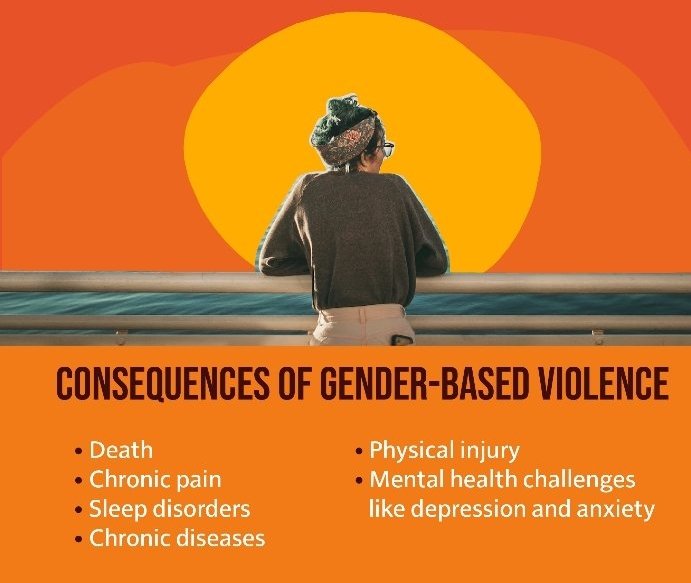
Sexual and gender-based violence (SGBV) is widespread in all parts of the world today. Such violence overwhelmingly affects women and girls, though men and boys experience abuse too.

Sexual violence against men is one of the least told aspects in society. Yet men and boys are victims too of abuse that is frequently more effective at destroying lives and tearing communities. It can take the form of anal and oral rape, genital torture, sexual slavery and the forced rape of others. It is so taboo that few survivors have the courage to tell their story. Besides feeling ashamed and afraid of being ostracised, many victims dare not challenge powerful myths about male rape in their cultures, experts say. A common belief is that a man who is raped becomes a woman.

SGBV is rooted in gender inequality, discrimination and power imbalances. It often happens in the home or other familiar settings and thus may be hidden from view. It may be misunderstood or even condoned due to gender norms.

It is also important to recognise that Sexaul and gender-based violence may be normalised and reproduced due to structural inequalities, such as societal norms, attitudes and stereotypes around gender generally and violence against women specifically. Therefore it is important to acknowledge structural or institutional violence, which can be defined  as the subordination of women in economic, social and political life, when attempting to explain the prevalence of violence within our societies.

SGBV victims in Uganda specifically Mbale City show low incidences of reportage and help-seeking; only 5% of women, girls and men who have been victims of violence sought help, mainly sought from victim’s own families. Reasons for this include prevalent cultural norms that discourage reporting SGBV, poor awareness of how to report the crimes and processes involved, and shortcomings in the justice framework.

Therefor by better understanding the specific experiences of male victims of violence, we can take action in our communities to stop violence before it starts.

#SGBV

MIND YOUR MENTAL HEALTH

Mental Health is an integral component of maintaining good overall health. It comprises our emotional,psycological and social wellbeing therefore affects how we feel,think and act.

When one is mentally healthy, they can realize their abilities, cope with the normal stresses of life, work productively, and make positive contributions to their community which is not the case when they experience poor mental health. One may start to withdraw and can experience debilitating symptoms such as depression and anxiety.

Poor mental health can also affect physical health, as one might react by neglecting their physical health through inconsistent eating habits, poor hygiene, and general malaise.
Because of misconceptions and stigma surrounding mental health issues, people often suffer in silence and don’t seek treatment for their conditions. Mental health awareness is an important initiative to improve understanding of mental health conditions and increase access to healthcare for those who need it.

Depression , anxiety disorders, and elevated stress levels are the most common, sometimes leading to suicide attempts. In Africa, Uganda is ranked among the top six countries in rates of depressive disorder with 35% suffering from a mental illness and 15% who require treatment.

Let’s talk about Mental Health issues openly. Understanding and teaching people about the causes, symptoms, and treatments available for mental health diseases like depression, anxiety, bipolar disorder, and schizophrenia can better equip yourself and those around you to discuss these issues in a supportive manner.

SAY IT, DON’T HIDE IT.
LET’S SPEAK OUT ABOUT MENTAL HEALTH. IT’S OKAY TO ASK FOR HELP

CASES REGISTERED IN MBALE CITY DUE TO DRUG ABUSE

By Rosette Nandutu,

Drug abuse continues to be a problem among the youth and adult citizens of Mbale city and due to emerging trends related to drugs (substances) addiction and advances in methods calls for the need to fight against drug abuse in the City.

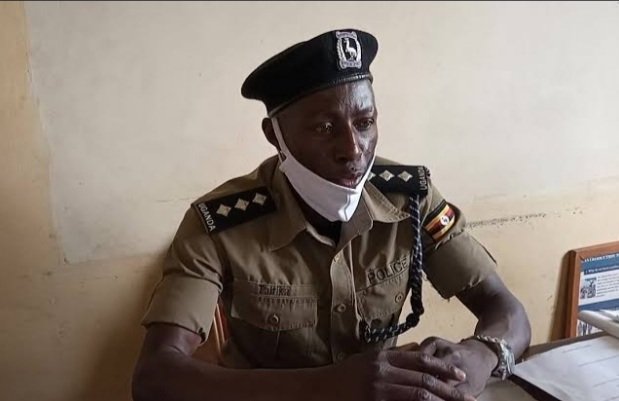
According to the Elgon Region Police Spokesperson, Rogers Taitika, in the month of January 2023, the police registered a number of crimes caused by drug abuse mostly among the youths.

He revealed that they registered 193 Mobile phones theft cases,122 robbery cases,130 cases of domestic violence , 22 of child abuse and neglect, 31 cases of defilement ,1 case of rape and 18 cases of homicide.

Taitika said that drug abuse is among the youths in mostly secondary and some institutions noting that parents are to blame as they don’t care about inspecting their children’s bags when heading to school but instead leave it all to the teachers and security.

Understanding the risk of drug abuse,
developmentally sensitive intervention is critical in fighting against drug abuse problem in Mbale city.

Elgon Region Police Spokesperson Rogers Taitika

MBALE CITY GRAPPLES WITH DRUG ABUSE

By Rosette Nandutu,


The rate at which drug abuse is on rampage in Mbale City these days is quite alarming and it is seen in every corner of the city. Though it is not limited to the youths alone, it is more rampant among the youths.It is promoted by the high level of unemployment and school dropout. The habit is not only among the youths but also older people who tend to be the ones that teach these young ones how to use these drugs.

Some of these drug addicts are found in broad day light abusing drugs, selling the package openly on the streets while many of them have become mentally unhealthy because of the act.Among the drugs sold include marijuana,kuba, cigarettes, and some of these take in kerosene which are sometimes put in foodstuffs or consumed solely.

Latest statistics estimates indicate that about 5.5 per cent of the population aged between 15 and 40 years have used drugs at least once in the past year, while 15 per cent of the total number of persons who use drugs, suffer from drug use disorders mentally, physically, and financially.Sources where these abusers obtain the drugs, are open drug hawkers, fellow drug abusers, friends and drug pushers.

Drug abuse in Mbale City is common among street kids, school students, youths, street commercial workers, and sex workers.These drug abusers end up having health problems and committing illicit acts like rape, defilement,theft associated with pickpocketing in the corridors in the wee hours, social problems, morbidity, injuries, violence, deaths, motor  vehicle accidents, homicides, suicides, physical dependence or psychological addiction.

Another cause of drug abuse among the youths is lack of attention. Some parents throw caution to the wind in matters relating to their children by denying them the needed attention who end up on streets thus having to bag such acts.Children need proper attention because there are many things going on around them that can make them go astray but if there is a strong bond between them and their parents or guardians, majority of the heinous acts and drug abuse by the youths will be minimised.

Furthermore, exposure to programmes promoting drug abuse allover the internet can also lead to drug abuse. Drug abuse can lead to a range of both short-term and long-term mental and physical health problems depending on the kind of drugs abused; there are many youths out there who are mentally and generally unstable health wise due to drug abuse.

Findings show that one of the effects of drug abuse is depression and mood problem, People who are addicted to drugs die by suicide more often than people who are not addicted.As of research, there is a high rate of violent acts among drug abusers in Mbale City due to abuse of alcohol and other drugs causing physiological distortion of the brain and social isolation.

Statistics show that in Mbale City, approximately 30 per cent of the criminal acts related to drug and alcohol abuse include child abuse, domestic violence, rape, defilement, burglaries and  assaults.

To curb the increase of drug abuse in the society, it is advisable that youths and children be enlightened about the risk involved in drug use and misuse. Parents are encouraged to listen attentively to their children whenever they talk about peer pressure in order to know the necessary steps to be taken and support their efforts to resist it.Any parent who wants to stop his/her child from abusing drug must first be a good example because it has been realised that children of parents who misuse drugs are at greater risk of drug addiction.In addition, children who lack parental care and attention mostly find succour in whatever can fill the vacuum and such may end up being drug abusers. Parents are urged to pay the needed attention to their children because when there is a strong bond between them, it can reduce the child’s risk of abusing drugs.

In conclusion, those who are suffering from the effect of drug abuse should seek proper care from relevant places before it gets out of hands, because United Nations Office on Drugs and Crime, UNODC, 2022 report shows that around 284 million people aged 15-64 used drugs worldwide in 2020, a 26 per cent increase over the previous decade.

Globally, the report estimates that 11.2 million people worldwide were injecting drugs. Around half of this number were living with hepatitis C, 1.4 million were living with HIV, and 1.2 million were living with both.
Society is therefore not only urged to support and show love to those who are undergoing medical care to overcome drug addiction and not make them feel isolated but also emphasizes the importance of galvanizing the international community, Governments, civil society and all stakeholders to take urgent action to protect people, including by strengthening drug use prevention and treatment and by tackling illicit drug supply.

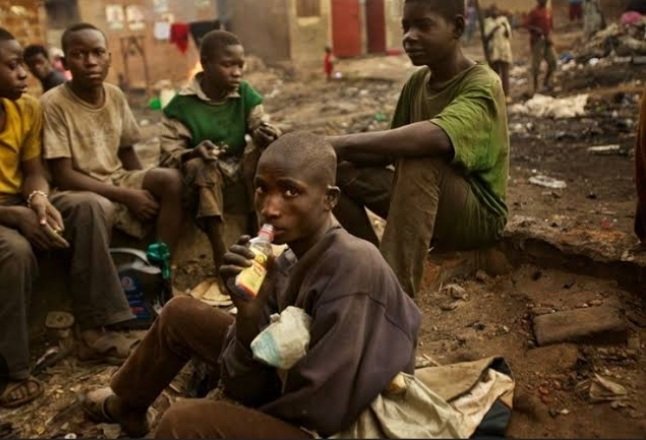
A group of young boys with one of them holding a bottle of waragi