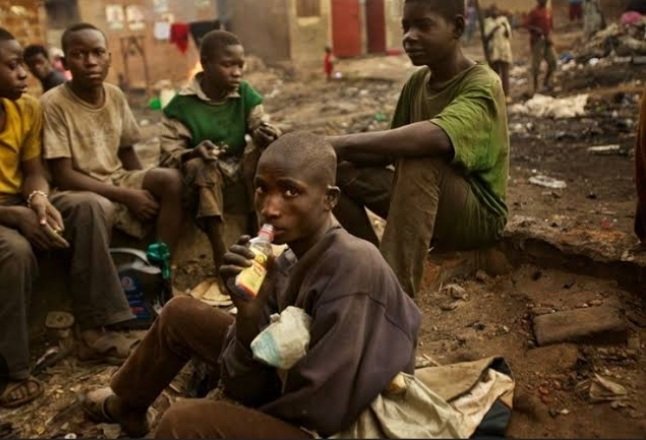
Education is a fundamental right for every child, but unfortunately, this is not the case for many children in Uganda, especially those from disadvantaged communities. Many children in Uganda face numerous challenges that hinder their access to education. These challenges include poverty, lack of infrastructure, lack of resources, and cultural beliefs that prioritize boys’ education over girls. However, there are ways in which we can improve access to education for disadvantaged communities in Uganda.
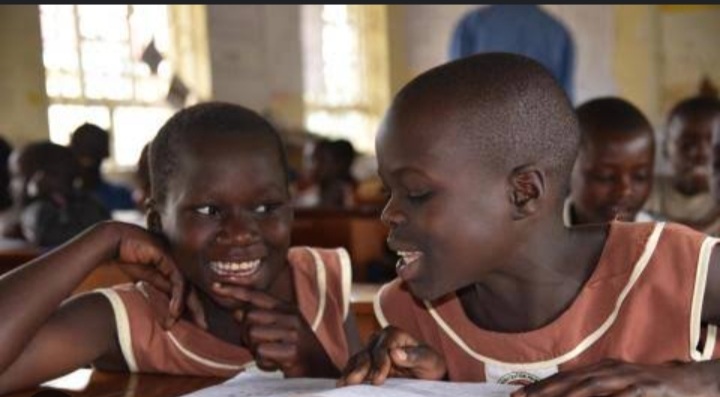
One of the ways we can improve access to education in Uganda is by addressing poverty. Poverty is one of the biggest barriers to education in Uganda, and it affects children from disadvantaged communities the most. Poverty prevents parents from affording school fees, uniforms, and other school supplies. To address this issue, the government and non-governmental organizations should provide financial support to families living in poverty. This can be done through scholarships, bursaries, and other forms of financial assistance.
Another way to improve access to education in Uganda is by building and improving infrastructure. Many children from disadvantaged communities in Uganda have to walk long distances to school, and some schools lack basic infrastructure such as classrooms, desks, and toilets. To address this issue, the government and non-governmental organizations should invest in building and improving schools in disadvantaged communities. This will make it easier for children to access education and provide them with a conducive learning environment.
In addition to infrastructure, providing resources such as textbooks, stationary, and other learning materials is also essential in improving access to education for disadvantaged communities in Uganda. Many schools in disadvantaged communities lack these resources, which affects the quality of education that children receive. The government and non-governmental organizations should provide schools with the necessary resources to ensure that children receive quality education.
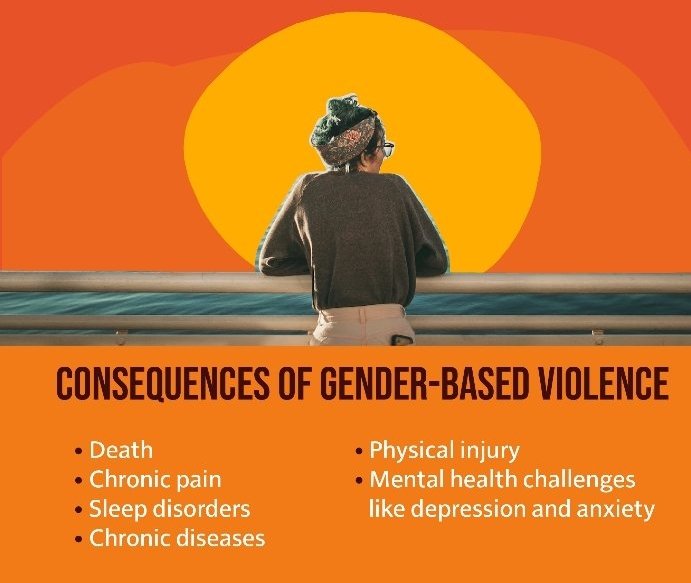
Cultural beliefs that prioritize boys’ education over girls’ education are also a significant barrier to education in Uganda. Many parents in disadvantaged communities believe that educating boys is more important than educating girls. To address this issue, the government and non-governmental organizations should conduct awareness campaigns to educate parents on the importance of educating both boys and girls. This will help change cultural beliefs and ensure that all children, regardless of gender, have access to education.
Finally, providing vocational and technical training to children from disadvantaged communities can also improve access to education. Many children from disadvantaged communities drop out of school due to lack of interest or poor academic performance. Providing vocational and technical training can help these children acquire skills that will enable them to earn a living and contribute to their communities.
In conclusion, improving access to education for disadvantaged communities in Uganda is crucial in ensuring that every child has the opportunity to receive quality education. Addressing poverty, building and improving infrastructure, providing resources, changing cultural beliefs, and providing vocational and technical training are some of the ways in which we can improve access to education. The government and non-governmental organizations should work together to implement these solutions and ensure that every child in Uganda has access to education.

 Golden Wish Foundation Uganda